
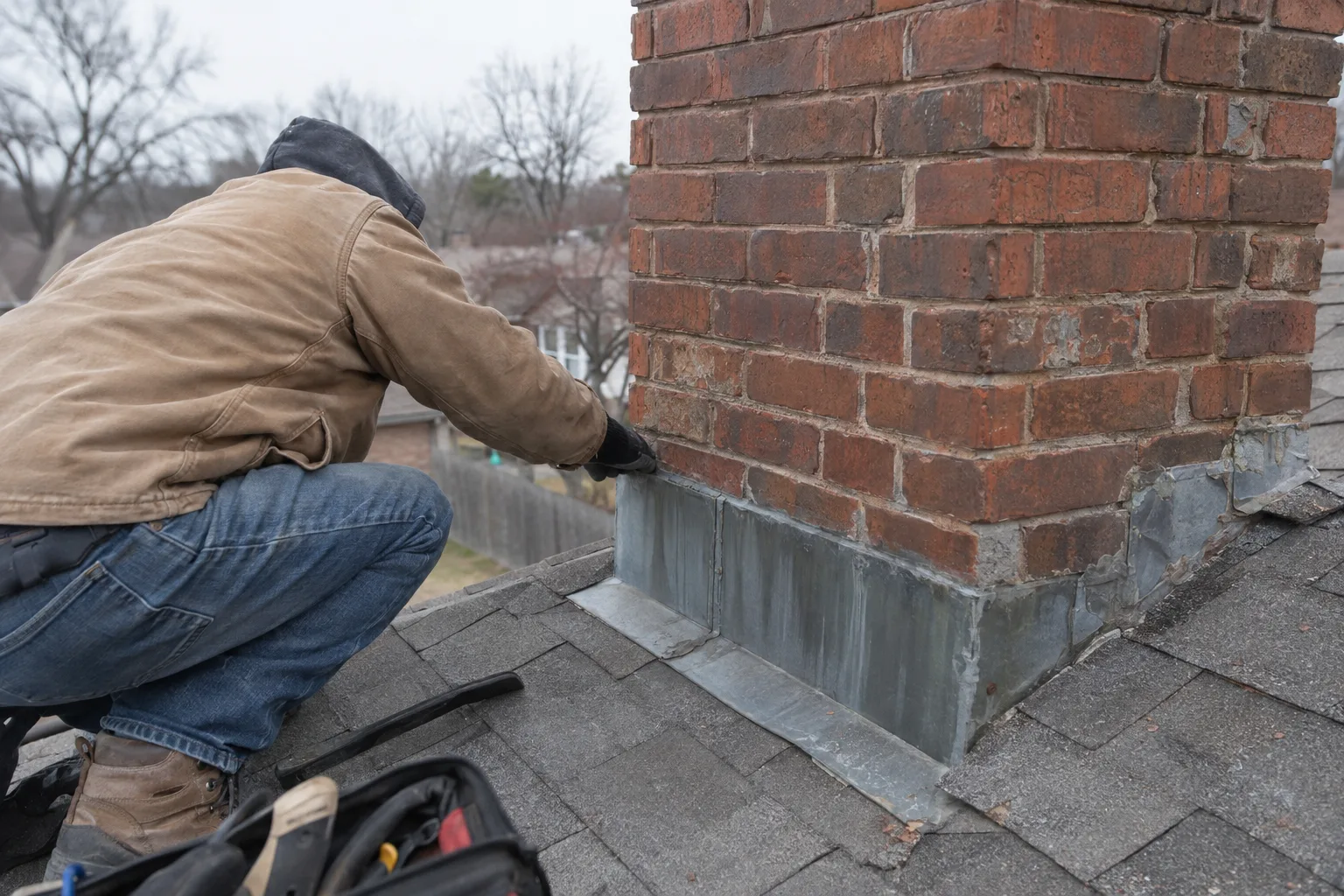
What Forensic Chimney Diagnostics Actually Means for OKC Homeowners
Forensic chimney diagnostics is a cause-of-loss investigation - not a standard inspection.
The result is a written diagnostic report. It includes the documented cause, photographic evidence, and a prioritized sequence of corrective actions. This is the process Oklahoma Chimney Sweep Pro uses when a recurring chimney problem in Oklahoma City hasn't responded to standard repair.
Oklahoma City's Building Stock Makes This Investigation Necessary
OKC's housing history creates failure patterns that routine inspections weren't built to find.
Oklahoma City's residential construction spans more than a century. Pre-1960 masonry homes in neighborhoods like Capitol Hill and Mesta Park were built with chimneys designed for wood-burning in a much less airtight house. Post-1990 slab-foundation builds in areas like Deer Creek and Chisholm Creek were designed around forced-air HVAC - and often have chase-style chimneys with metal flue systems instead of full masonry stacks.
Here's what most homeowners don't realize about OKC chimney problems: a repair that works perfectly in one construction era can actually introduce a new failure in another. Crown sealing on a pre-1960 chimney with an undersized liner behaves differently than the same sealant on a newer prefab chase system. The materials and the building around them interact in ways that only a systematic investigation reveals.
Since 2016, Oklahoma Chimney Sweep Pro has worked across this full range of Oklahoma City housing stock. That cross-era exposure is what makes pattern recognition possible.
The Investigation That Finally Found the Answer
A recurring symptom is almost always telling you the repair addressed the wrong layer.
- Season 1Flashing replacementWater returned
- Season 2Crown sealingWater returned
- Season 3Liner cleaningWater returned
- Forensic findingMulti-component interaction failureTwo-step corrective sequence
From Oklahoma Chimney Sweep Pro's crew:I've been on jobs in Oklahoma City where a homeowner had already paid for flashing replacement, crown sealing, and a liner cleaning - in that order, over three seasons. Water still appeared on the firebox wall every spring. Each contractor fixed something real. None of them found the actual cause.
When our team arrived, we started with a service history analysis - a structured review of every prior repair, what changed after each one, and when symptoms returned relative to the work. The pattern was clear within the first twenty minutes. The original flashing had been replaced, but the new flashing was counter-flashed into a mortar bed that had already separated from the brick. The sealant applied to the crown had locked moisture into that joint rather than directing it away. The liner cleaning was fine - but irrelevant to the actual failure path.
The cause wasn't any single bad repair. It was a multi-component interaction failure - a failure mode where no single chimney component is defective, but the interaction between two or more components creates a persistent problem. This is common in older OKC homes where repairs have been made piecemeal over several years by different contractors.
We documented the separation with close-up photography, identified the moisture path through the joint, and delivered a written report with a two-step corrective sequence. The homeowner had that report in hand before we left.
That's what forensic chimney diagnostics does that a standard inspection can't.
Who Requests Forensic Diagnostics - and Why
This service isn't only for frustrated homeowners. It serves insurance adjusters and contractors too.
Oklahoma Chimney Sweep Pro provides forensic chimney diagnostic reports for:
- Homeownerswith a recurring symptom pattern - a problem that returned after treatment, indicating the root cause was never addressed
- Insurance adjusterswho need a cause-of-loss determination and photographic documentation to evaluate coverage eligibility or pre-existing condition status
- General contractors and remodelerswho need a professional assessment before beginning work on a chimney system they didn't originally build
- Real estate attorneys and inspectorswho require a documented finding to resolve a dispute over chimney condition
The written diagnostic report - the formal deliverable from this process - is structured to serve all of these audiences. It includes a cause-of-loss statement, not just an observation list.
Our Standards for Forensic Chimney Investigation
Every forensic diagnostic follows a documented protocol - not a free-form walkthrough.
- Service history intake first. We collect all prior repair records and inspection findings before the physical investigation begins.
- Hypothesis before observation. We identify a probable cause from the history, then test it against physical evidence - not the reverse.
- Multi-component testing. We evaluate how components interact, not just whether each component looks intact in isolation.
- Photographic documentation at every finding. No finding is recorded without an image tied to it.
- Written report standard. Every forensic diagnostic ends with a formal written document - not a verbal summary or handwritten checklist.
Forensic Diagnostic Execution Protocol
The investigation runs in three structured phases.
- 1
Phase 1: Structured Intake and Hypothesis Development
We begin with systematic hypothesis testing - identifying the most probable cause before picking up a camera. We review every available record: prior inspection reports, contractor invoices, and the homeowner's description of when symptoms appear and how they've changed over time. Oklahoma City's seasonal pattern matters here. A symptom that appears only after a strong south wind is a different investigation than one that appears only after rain.
- 2
Phase 2: Physical Investigation and Evidence Collection
The technician examines components in the sequence suggested by the hypothesis - not top to bottom by default. Flashing joints, mortar bed condition, liner connections, crown sealing overlap, and firebox geometry are all evaluated for interaction effects, not just individual condition. Every finding is photographed with reference markers so the report reader can orient themselves in the image.
- 3
Phase 3: Report Preparation and Delivery
The written diagnostic report contains four sections: cause identification, photographic evidence log, interaction findings (where applicable), and a prioritized corrective action sequence. Repairs are sequenced in the order that prevents each step from interfering with the next. If an insurance adjuster use case is involved - meaning the report will be used to support or evaluate a claim - we note the cause-of-loss determination explicitly in the document.
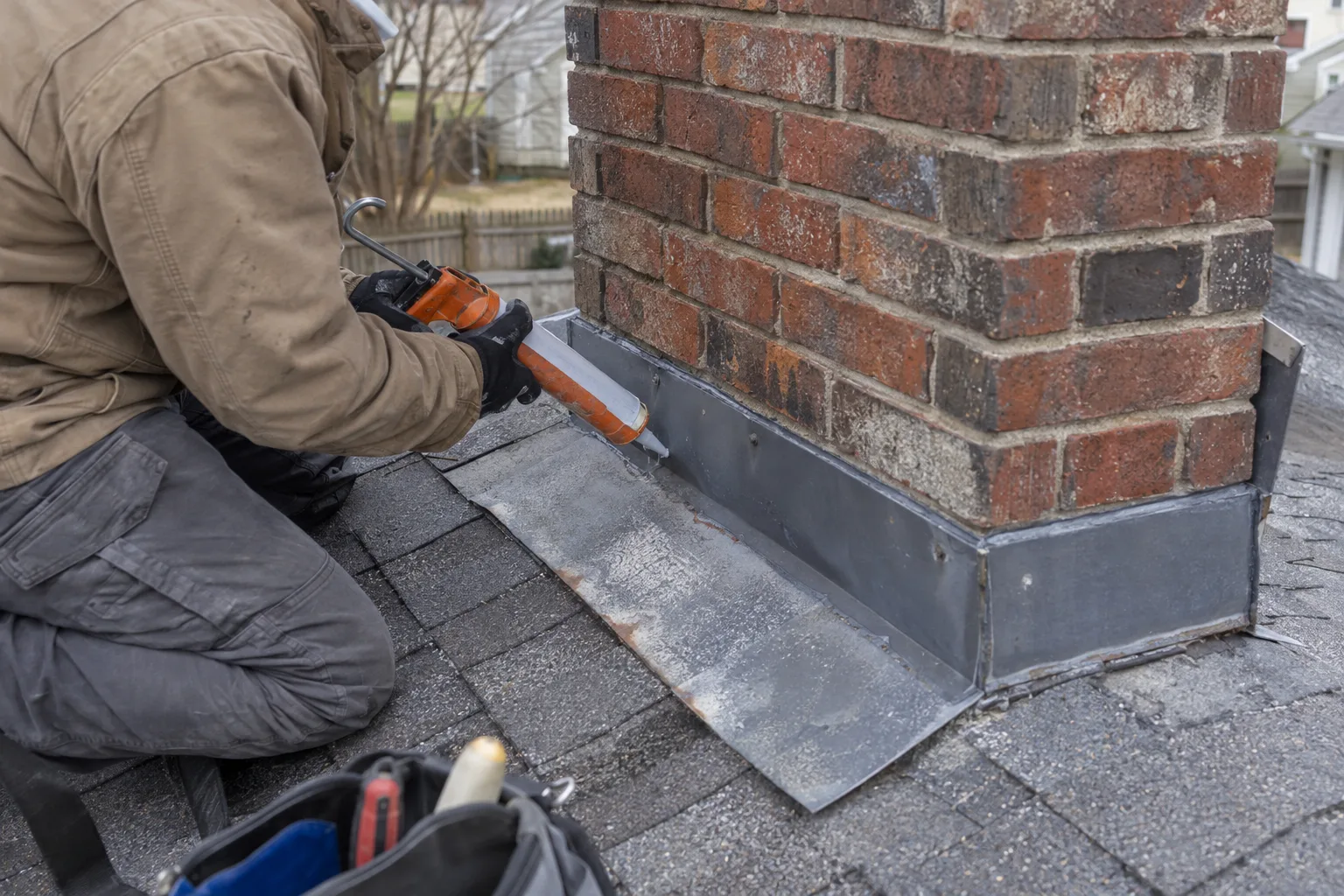
Written diagnostic report
- 1Cause identification
- 2Photographic evidence log
- 3Interaction findings
- 4Prioritized corrective action sequence
Areas We Serve in Oklahoma City
Oklahoma Chimney Sweep Pro serves the full Oklahoma City metro.
We provide forensic chimney diagnostics throughout Oklahoma City and surrounding communities. Our teams have worked in established neighborhoods, newer suburban developments, and historic districts across the OKC area. Contact us to confirm availability at your address.
- Oklahoma City
- Established neighborhoods
- Newer suburban developments
- Historic districts
Forensic diagnostics questions
What's the difference between forensic chimney diagnostics and a standard inspection?
A standard inspection records what is visible. Forensic diagnostics starts with your full service history, builds a hypothesis, then tests it against physical evidence. This is called systematic hypothesis testing - finding the cause, not just the condition. It's the right call when prior repairs didn't solve the problem.
Who actually requests a forensic chimney diagnostic - is this just for homeowners?
Homeowners, insurance adjusters, and contractors all use this service. Adjusters need a documented cause-of-loss determination for chimney-related claims. Contractors need it when a repair they completed is disputed. Homeowners need it when symptoms keep returning after multiple fixes.
What does the written diagnostic report actually contain?
The report includes a documented cause, photographic evidence with reference markers, and a prioritized repair sequence. Each finding is tied to a specific component or interaction between components. If the report is for an insurance claim, the cause-of-loss determination is stated explicitly in the document.
My chimney was repaired twice and the problem came back - does that mean forensic diagnostics will actually find something different?
Yes. Recurring symptoms after treatment are the clearest sign that surface repairs addressed a symptom, not the cause. Oklahoma Chimney Sweep Pro has worked across Oklahoma City's housing stock since 2016. That experience includes multi-component interaction failures - where no single part is broken, but two components working together create the problem.